

Causes of Frequent Heartburn and Its Triggers
Updated: Jul 31
Heartburn is a common discomfort that many people experience. It is often described as a burning sensation in the chest or throat. While occasional heartburn is usually manageable, frequent heartburn can signal underlying issues that require attention. In this article, I will explore the various factors that contribute to frequent heartburn and identify common triggers. This information aims to help those seeking expert care, particularly in Singapore, to better understand their symptoms and take proactive steps toward relief.
Understanding Heartburn: Causes and Triggers
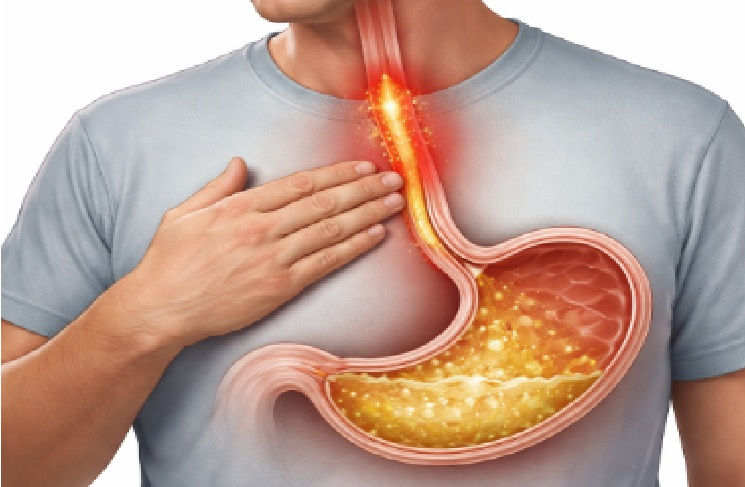
Heartburn occurs when stomach acid flows back into the esophagus, irritating its lining. This reflux can happen for several reasons, and understanding these can help in managing the condition effectively.
Gastroesophageal Reflux Disease (GERD)
One of the primary causes of frequent heartburn is GERD, a chronic condition where the lower esophageal sphincter (LES) does not close properly. This malfunction allows acid to escape from the stomach into the esophagus regularly. GERD can lead to persistent discomfort and may require medical intervention.
Hiatal Hernia
A hiatal hernia occurs when part of the stomach pushes through the diaphragm into the chest cavity. This anatomical change can weaken the LES and increase the likelihood of acid reflux, contributing to frequent heartburn episodes.
Lifestyle and Dietary Factors
Certain lifestyle choices and foods can exacerbate heartburn symptoms. These include:
Eating large meals or lying down immediately after eating
Consuming spicy, fatty, or acidic foods
Drinking caffeinated or carbonated beverages
Smoking and excessive alcohol consumption
Medications
Some medications can relax the LES or irritate the esophagus, leading to heartburn. Common examples include:
Nonsteroidal anti-inflammatory drugs (NSAIDs)
Certain blood pressure medications
Some muscle relaxants
Other Medical Conditions
Conditions such as pregnancy, obesity, and delayed stomach emptying can also increase the risk of frequent heartburn by putting pressure on the stomach or affecting digestion.
Identifying Heartburn Triggers in Daily Life
Recognizing what triggers your heartburn is crucial for effective management. Keeping a symptom diary can help identify patterns related to food, activities, or medications.
Food and Drink Triggers
Certain foods are well-known to provoke heartburn. These include:
Citrus fruits and juices
Tomatoes and tomato-based products
Chocolate
Onions and garlic
Peppermint
Avoiding or limiting these foods can reduce the frequency and severity of heartburn episodes.
Eating Habits
How and when you eat can also influence heartburn. Recommendations include:
Eating smaller, more frequent meals instead of large ones
Avoiding eating at least 2-3 hours before bedtime
Chewing food thoroughly and eating slowly
Physical Activity and Posture
Strenuous exercise immediately after eating or lying down can worsen reflux symptoms. Maintaining an upright posture after meals and engaging in moderate physical activity can help reduce heartburn.

Medical Evaluation and Treatment Options
If frequent heartburn persists despite lifestyle changes, it is important to seek medical advice. A healthcare professional can perform diagnostic tests such as endoscopy or pH monitoring to assess the severity and underlying causes.
Medications
Several medications can help manage heartburn symptoms, including:
Antacids that neutralize stomach acid
H2 receptor blockers that reduce acid production
Proton pump inhibitors (PPIs) for more severe cases
These should be used under medical supervision to avoid potential side effects.
Surgical and Endoscopic Procedures
In cases where medication and lifestyle changes are insufficient, surgical options may be considered. Procedures aim to strengthen the LES or repair anatomical issues like hiatal hernia. Endoscopic treatments are less invasive alternatives that can also provide relief.
Preventive Measures and Long-Term Management
Managing frequent heartburn requires a comprehensive approach that combines lifestyle adjustments, dietary changes, and medical care when necessary.
Weight Management
Maintaining a healthy weight reduces pressure on the stomach and LES, lowering the risk of acid reflux.
Stress Reduction
Stress can exacerbate digestive issues, including heartburn. Techniques such as mindfulness, meditation, and regular exercise can help manage stress levels.
Regular Monitoring
For those with chronic heartburn, regular follow-ups with a healthcare provider ensure that the condition is controlled and complications are avoided.
By understanding the causes of heartburn and identifying personal triggers, individuals can take meaningful steps toward relief and improved quality of life.
Taking Control of Your Heartburn Symptoms
Frequent heartburn is more than just an occasional nuisance. It can impact daily life and signal more serious health concerns. By recognizing the factors that contribute to heartburn and adopting practical strategies, you can reduce discomfort and protect your digestive health.
If you experience persistent heartburn, consulting a specialist in gastrointestinal health is essential. Expert care, such as that provided by Dr Toh Bin Chet in Resurgence Surgical Clinic, Singapore, offers tailored treatment plans that address both symptoms and underlying causes. This holistic approach ensures not only symptom relief but also long-term well-being.
Remember, managing heartburn is a journey that involves understanding your body, making informed choices, and seeking professional guidance when needed. Taking these steps can help you regain comfort and confidence in your daily life.
Conclusion
In summary, frequent heartburn can be a sign of underlying health issues. Understanding its causes and triggers is the first step towards effective management. By making lifestyle changes, monitoring your symptoms, and seeking medical advice when necessary, you can take control of your heartburn. This proactive approach not only alleviates discomfort but also contributes to your overall well-being.


Comments