

Can You Survive Without a Stomach After Gastric Cancer Surgery
“Doctor, can I still survive if my whole stomach has to be removed because of stomach cancer?”
Yes, you can.
Hearing that the whole stomach may need to be removed is frightening. Many people imagine that eating will become impossible, or that life cannot continue without such a major organ. The truth is more hopeful. A person can live without a stomach after gastric cancer surgery, although daily eating habits and long-term nutrition care will change.
The operation is called a total gastrectomy. During this surgery, the surgeon removes the entire stomach, then connects the oesophagus, or food pipe, directly to the small intestine. Food can still move through the digestive system. It just enters the intestine sooner and in smaller amounts.
This article is for general information only. It cannot replace medical advice from a surgeon, oncologist, dietitian, or nurse who knows the individual case.

Life without a stomach is possible
The stomach has several jobs. It stores food after a meal, mixes food with acid and digestive juices, and releases food slowly into the small intestine. It also plays a role in absorbing some nutrients, especially vitamin B12, through a substance called intrinsic factor.
After a total gastrectomy, the body loses this storage pouch. Food moves from the oesophagus straight into the small intestine. This is why eating after surgery feels different. A large meal that used to sit in the stomach may now pass too quickly into the bowel. This can cause symptoms such as fullness, nausea, cramps, diarrhoea, dizziness, or sweating in some people.
Yet the small intestine is still able to absorb many nutrients. Over time, the body adapts. Many people return to walking, doing household tasks, spending time with family, travelling, and working. The pace of recovery varies, and some days will feel easier than others.
A helpful way to think about life after surgery is this:
No stomach does not mean no life. After total gastrectomy, life changes, but life can continue.
Recovery is not only about the operation wound healing. It also involves learning a new eating rhythm, building strength again, managing weight, and attending follow-up appointments. That process takes patience.
What happens during a total gastrectomy
A total gastrectomy is usually performed when cancer affects a large part of the stomach, is near the top of the stomach, or cannot be safely treated by removing only part of the stomach. The exact plan depends on the cancer location, stage, overall health, and the treatment team’s recommendation.
During surgery, the surgeon removes the stomach. Nearby lymph nodes are often removed too, because stomach cancer can spread through these glands. After that, the surgeon creates a new pathway for food by joining the oesophagus to the small intestine. This connection allows swallowing and digestion to continue.
Some people may also need chemotherapy, immunotherapy, targeted therapy, or radiotherapy before or after surgery. The plan depends on the cancer type and stage. In many cases, surgery is one part of a larger cancer treatment journey.
After the operation, the medical team watches closely for healing, pain control, fluid intake, bowel function, and signs of complications. Eating usually restarts gradually. Some people begin with sips of fluid, then soft foods, then small portions of more solid food when the team feels it is safe.
The hospital team may include:
A surgeon who manages the operation and surgical recovery
An oncologist who guides cancer treatment
A dietitian who helps with calories, protein, vitamins, and meal planning
Nurses who support wound care, symptoms, and daily recovery
A physiotherapist who helps rebuild movement and strength when needed
This team approach matters because surgery changes digestion in a lasting way. Good follow-up can prevent small nutrition problems from becoming serious.

Eating changes after surgery
The biggest day-to-day change after total gastrectomy is the way meals are planned. Since there is no stomach to store food, smaller and more frequent meals are usually easier to manage.
Instead of three large meals, many people do better with five to eight small meals or snacks across the day. The goal is to take in enough nutrition without overwhelming the intestine.
Eat smaller meals more often
A small meal may be only a few spoonfuls at first. That can feel discouraging, especially for someone who used to eat normal-sized meals. Over time, portions may increase, but they often remain smaller than before surgery.
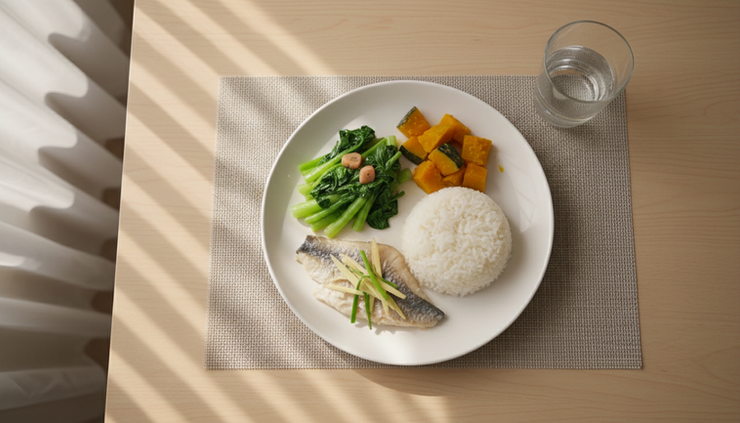
Useful foods may include:
Eggs, fish, chicken, tofu, yoghurt, cheese, or beans for protein
Rice, noodles, oats, bread, potatoes, or porridge for energy
Nut butters, avocado, olive oil, or full-cream dairy if extra calories are needed
Soft cooked vegetables and fruit that are tolerated well
There is no single perfect diet for everyone. Food tolerance can change from week to week. A food that feels uncomfortable early in recovery may become easier later.
Eat slowly and chew well
Without a stomach, food has less time to break down before entering the intestine. Chewing well helps reduce discomfort. Eating too quickly may lead to bloating, pain, or sudden fullness.
A simple routine can help:
Sit upright for meals
Take small bites
Chew until food is soft
Pause between mouthfuls
Stop before feeling overly full
The aim is steady intake across the day, not forcing a large portion in one sitting.
Drink fluids between meals
Drinking a lot during meals can fill the limited space in the intestine and make fullness worse. Some people also feel that fluids push food through too quickly.
Many dietitians advise sipping fluids between meals rather than taking large drinks with food. Water, milk, oral nutrition supplements, clear soups, and other suitable drinks may be used depending on the nutrition plan. If dehydration is a concern, the team may suggest ways to increase fluid intake safely.
Watch for dumping symptoms
Some people develop dumping syndrome after stomach surgery. This happens when food, especially sweet or high-carbohydrate food, moves too quickly into the small intestine.
Symptoms can include:
Sweating
Dizziness
Fast heartbeat
Cramping
Nausea
Diarrhoea
Tiredness after eating
Later symptoms can include shakiness or hunger due to changes in blood sugar. Eating smaller meals, reducing very sugary foods, adding protein, and separating fluids from meals may help. A doctor or dietitian can give specific advice if these symptoms appear.
Weight loss, vitamins, and long-term nutrition
Weight loss is common after total gastrectomy, especially in the first year. This does not mean recovery is failing. It often happens because appetite is lower, portions are smaller, and the body is healing from major surgery and cancer treatment.
Still, ongoing weight loss needs attention. The body needs enough calories and protein to heal, maintain muscle, fight infection, and tolerate cancer treatment when needed.
Protein becomes a daily priority
Protein supports wound healing and muscle strength. After surgery, the team may encourage protein at each small meal. This can come from animal or plant sources.
Examples include:
Fish or chicken
Eggs
Tofu or tempeh
Greek yoghurt or milk
Lentils or beans
Protein-rich oral supplements if recommended
If chewing is tiring, softer proteins such as steamed egg, tofu, minced meat, fish porridge, yoghurt, or dhal may be easier.
Vitamin B12 usually needs replacement
The stomach helps the body absorb vitamin B12. After total gastrectomy, many people need long-term vitamin B12 supplementation, often through injections or high-dose supplements. The exact method depends on the doctor’s advice and local practice.
Low vitamin B12 can lead to anaemia, numbness, tingling, memory issues, and fatigue. These symptoms may develop slowly, which is why regular blood tests matter.
Other nutrients may also need monitoring, such as iron, calcium, vitamin D, folate, and protein levels. Some people need supplements. Others need changes to food choices. The safest plan is one guided by blood test results and professional advice.
Follow-up is part of treatment
Regular follow-up after gastric cancer surgery is not only to check for cancer recurrence. It also helps detect nutrition problems early.
Appointments may cover:
Weight trends
Appetite and meal tolerance
Bowel symptoms
Blood tests
Vitamin and mineral levels
Need for supplements or injections
Side effects from chemotherapy or other treatment
Emotional wellbeing and daily function
It is useful to bring a food diary to dietitian appointments. Even a few days of notes can show patterns, such as nausea after sweet drinks, early fullness after rice-heavy meals, or better intake with softer foods.
Returning to daily life takes time
Many people want to know when life will feel normal again. There is no fixed timeline. Some people recover strength within weeks. Others need several months, especially if they also need chemotherapy or if weight loss is significant.
What counts as “normal” may also change. A person may eat smaller meals, carry snacks when going out, take regular supplements, and attend more medical appointments than before. Yet many still live meaningful, active lives.
Energy may rise slowly
Fatigue after major cancer surgery is common. It can come from the operation, reduced intake, anaemia, poor sleep, emotional stress, or cancer treatment. Gentle walking, enough protein, hydration, and rest can help, but fatigue should be discussed if it is severe or worsening.
A gradual return is usually better than pushing too hard. Short walks, light household tasks, and simple stretching may be enough at first. The medical team can advise when it is safe to resume heavier activity.
Eating outside is still possible
Eating out may feel stressful at first. Small planning steps can make it easier.
Helpful habits include:
Choose places with softer or lighter food choices
Share a dish or order a small portion
Eat slowly, even if others finish first
Carry a snack in case a meal is delayed
Avoid testing too many new foods at once
Keep water nearby, but sip it between meals if that works better
In Singapore, common options such as fish soup, porridge, steamed egg, tofu dishes, soft noodles, or rice with tender protein may be easier for some people, depending on tolerance. Spicy, oily, or very sweet foods may need to be limited if they trigger symptoms.
Emotional recovery matters too
Total gastrectomy can affect more than digestion. It can change confidence, body image, social meals, family routines, and mood. Fear of cancer returning is also common.
Support can come from family, friends, nurses, counsellors, support groups, or spiritual care. Asking for help is not a weakness. It is part of recovery.
Family members can support by preparing small, nourishing meals, attending appointments, and avoiding pressure to “just eat more”. Encouragement works better when it is patient and practical.
When to seek medical advice
Some symptoms after surgery need prompt medical review. The care team should give clear instructions before discharge, but it is safer to ask when something feels wrong.
Contact the medical team if there is:
Fever or chills
Increasing abdominal pain
Persistent vomiting
Inability to keep fluids down
Signs of dehydration, such as very little urine or dizziness
Black stools or bleeding
Wound redness, swelling, pus, or worsening pain
Sudden chest pain or breathlessness
Rapid ongoing weight loss
Severe diarrhoea
New numbness, tingling, or extreme tiredness
Early help can prevent complications and protect recovery.
The main takeaway
Yes, you can survive without a stomach after gastric cancer surgery. A total gastrectomy changes how food moves through the body, but it does not end the possibility of eating, walking, working, travelling, or enjoying time with loved ones.
The key is adjustment. Smaller meals, slow eating, careful fluid timing, enough protein and calories, vitamin replacement, blood tests, and regular follow-up all play a part. Weight loss can happen, especially early on, but dietitian support can help many people stabilise their nutrition over time.
If total gastrectomy is being considered, ask the medical team direct questions about the surgery, cancer treatment, meal planning, weight management, vitamin B12, supplements, follow-up tests, and signs that need urgent care.
Life after stomach removal is different. With early treatment, good nutrition, steady follow-up, and emotional support, life can continue with meaning, strength, and hope.


Comments